
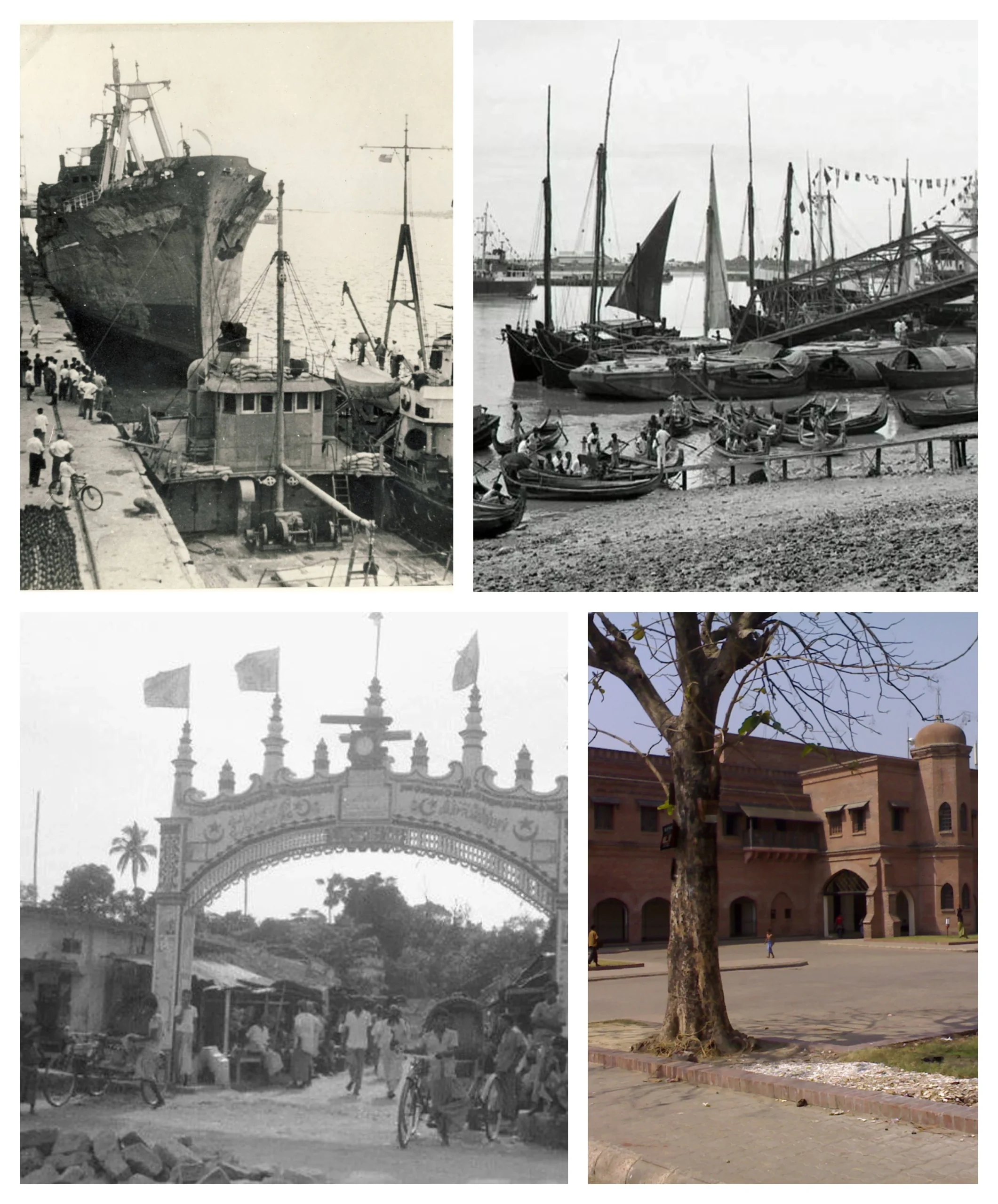

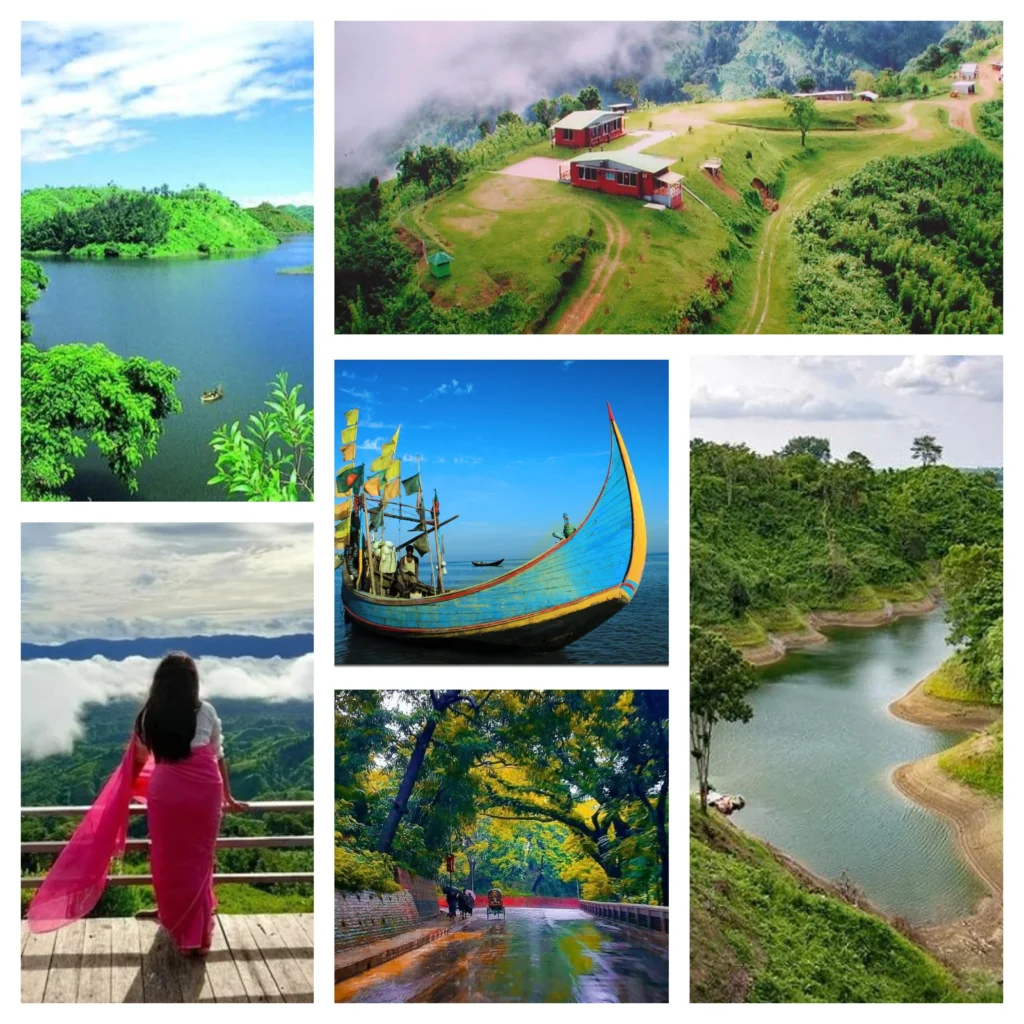
The name “Chittagong” bears the traces of its diverse cultural heritage. It is believed to have evolved from the ancient term “Chatga,” which signifies “an ancient hill” in the local Chakma language. The city’s geographical setting amidst the lush Chittagong Hill Tracts beautifully embodies this historical significance.
The Portuguese Influence: During the Portuguese colonial era, the name “Chittagong” underwent a transformation. The Portuguese referred to the city as “Porto Grande”, which translates to “Great Port”. The maritime significance of Chittagong as a bustling trading port during that period earned it this illustrious name.
Echoes of British Rule: With the advent of British rule in the Indian subcontinent, the city’s name once again underwent a linguistic alteration. The British anglicised “Chattogram” into “Chittagong”, a name that retained its historical significance while adapting to the colonial language.
Maritime Glory and Trade Routes: Chittagong’s coastal location has made it a pivotal maritime hub throughout history. It served as a gateway to the Indian Ocean trade routes, attracting traders from distant lands. Witness the remnants of ancient shipbuilding traditions and explore the historical relevance of Chittagong Port, where the ebb and flow of trade have left an indelible mark on the city’s growth.
Confluence of Cultures: Over the centuries, Chittagong has welcomed a tapestry of cultures and ethnicities, creating a harmonious blend that defines the city’s unique identity. Embrace the rich diversity of Bengali, Marma, Chakma, and other ethnic cultures that coexist in harmony, celebrating festivals, languages, and traditions that enrich the cultural fabric of Chittagong.
Empires and Legacies: Chittagong’s history is a fascinating tapestry woven with the threads of great empires. From the Mauryans and Guptas to the Mughals and the British, the city played a pivotal role in shaping the course of history. Explore the remnants of these empires through the majestic ruins, forts, and colonial landmarks that stand as silent witnesses to the past.
The Spirit of Resilience: Chittagong is a city that cherishes the spirit of defiance and resilience. From the historic Chittagong Uprising led by Masterda Surya Sen to its unwavering commitment to the cause of independence, this city has etched its name in the annals of bravery. Pay homage to the heroes who inspired a nation, and walk the paths where history was rewritten.
The legends that surround this vibrant city narrate tales of bravery, valor, and the preservation of tradition. From historical figures to folklore heroes, the legends of Chittagong continue to inspire and captivate the hearts of its people. Here, we present a collection of some of the most cherished legends of Chittagong.

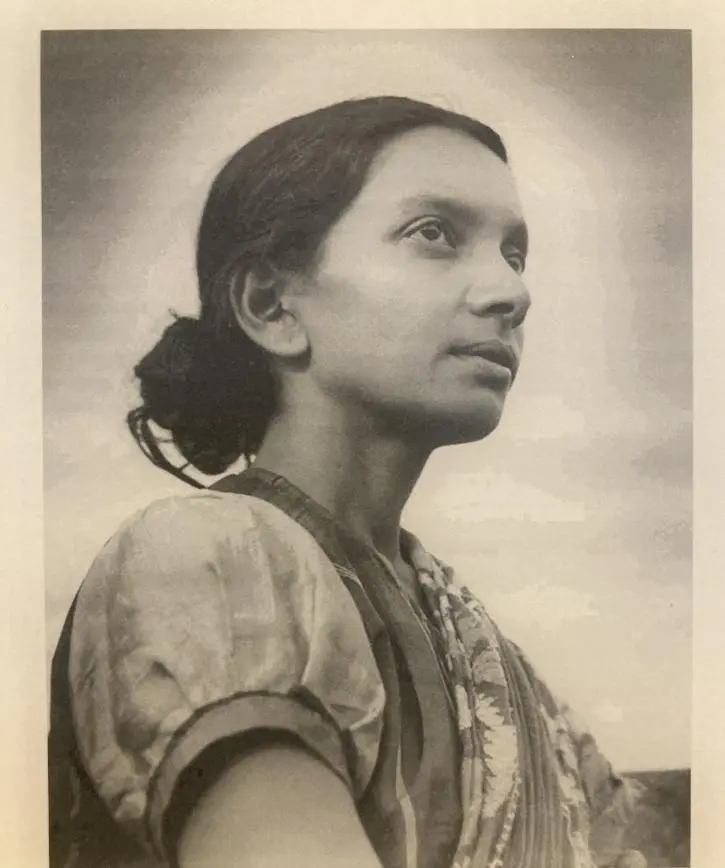
Born 27 July 1913, Sripur, Boalkhali Upazila
Kalpana Datta was a prominent female revolutionary who actively participated in the Indian independence movement. Kalpana's dedication and courage as a female freedom fighter continue to inspire women nationwide.
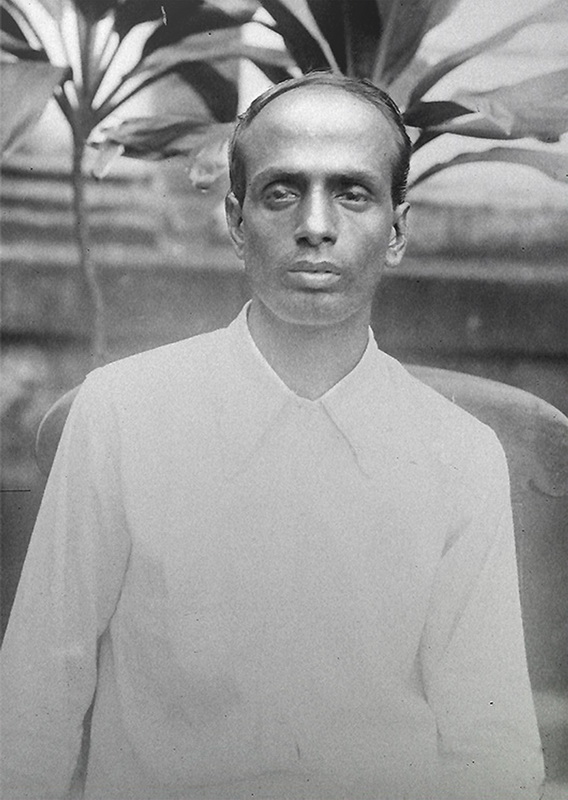
Born 22 March 1894, Noapara,Raozan, Chittagong.
A fearless revolutionary leader, Masterda Surya Sen was instrumental in orchestrating the Chittagong Armoury Raid of 1930, a pivotal event in India's struggle for independence from British rule.
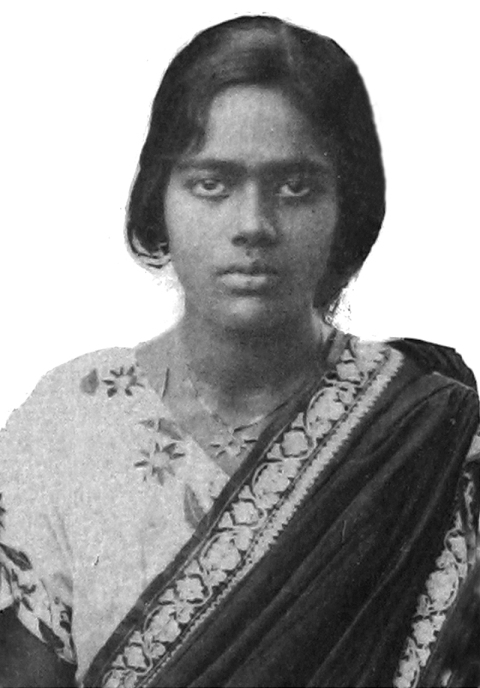
Born 5 May 1911, Dhalghat, Patiya, Chittagong.
She is known for leading fifteen revolutionaries in the 1932 armed attack on the Pahartali European Club, during which one person was killed and eleven injured. The revolutionaries torched the club and were later caught by the colonial police. Pritilata committed suicide by cyanide.
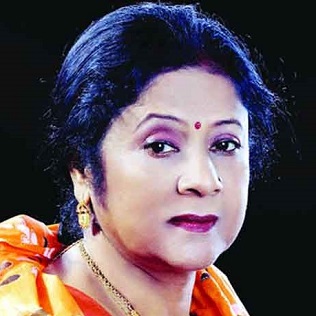
Born 1941, Kanungopara, Boalkhali Upazila, Chittagong.
Shefali Ghosh resonates as a legendary musical figure.Shefali Ghosh's name is etched in the cultural fabric of Chittagong as a symbol of talent, dedication, and artistic excellence.
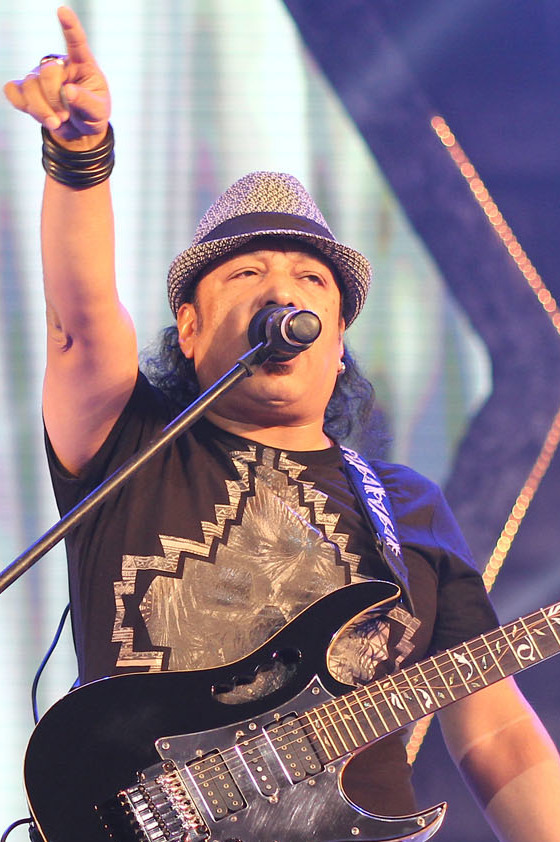
Born August 16, 1962, Patiya, Chittagong,
Ayub Bachchu, affectionately known as "AB," is more than a legend; he is a symphony of Chittagong's heartbeats, resonating through the bustling streets and tranquil corners alike. With a guitar in hand and a voice that carried the weight of stories untold, he became the minstrel of the masses, their joys and sorrows echoing in every chord.

Born 3 May, Chittagong.
Partha Barua is a popular Bangladeshi pop singer and actor. He is a member of oldest band team Souls. Partha is a renowned singer in the country, especially to the young generation. Despite a singing career, he has a bright acting career in the media industry of Bangladesh.